
Marie Under 143: Remembering the Great Poetess
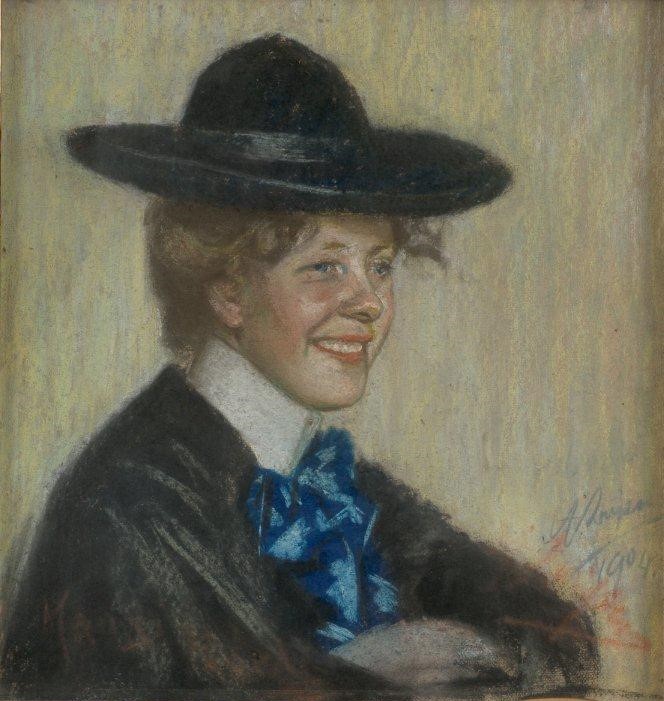
March 27 marks the 143rd anniversary of Marie Under’s birth. To commemorate the occasion, we are organizing several events: a guided tour of the house that once served as Marie Under’s home, a candle-lighting ceremony at her family grave site, and the literary evening „And Then a Star Fell and My Heart Burst into Flame“ at the Writers’ House. More detailed information about the events can be found here.
To mark the anniversary, Postimees published an article by Jaan Undusk, Senior Research Fellow at the Literature Institute, entitled „A Mother Ship Named Under.“
Marie Under (1883–1980) was already a legend of poetry in Estonia. During her years in political exile, however, she became the central figure of Estonian humanistic culture scattered across the world. She herself remained almost passive in this role—indeed, she had to, for she was the axis around which everything revolved. Yet the dance, even if discreetly, continued around her. Under was the only absolute touchstone of excellence in Estonian culture, repeatedly nominated for the Nobel Prize in Literature without embarrassment or hesitation. She was an icon who could be compared with any figure in the history of world poetry, and whose aesthetic richness was matched precisely by her ethical integrity. If Estonian culture in exile had lost the common ground beneath its feet and become a culture adrift across the seas, there was always one reliable mother ship from which an earnest traveler could set out—or to which a weary wanderer of the skies could return: the mother ship named Under.
Read the full article here.
In Postimees School of Literature, an article by the Tallinn University lecturer Ave Mattheus was published under the title „Marie Under’s Poetry in the Grip of Soviet Power.“